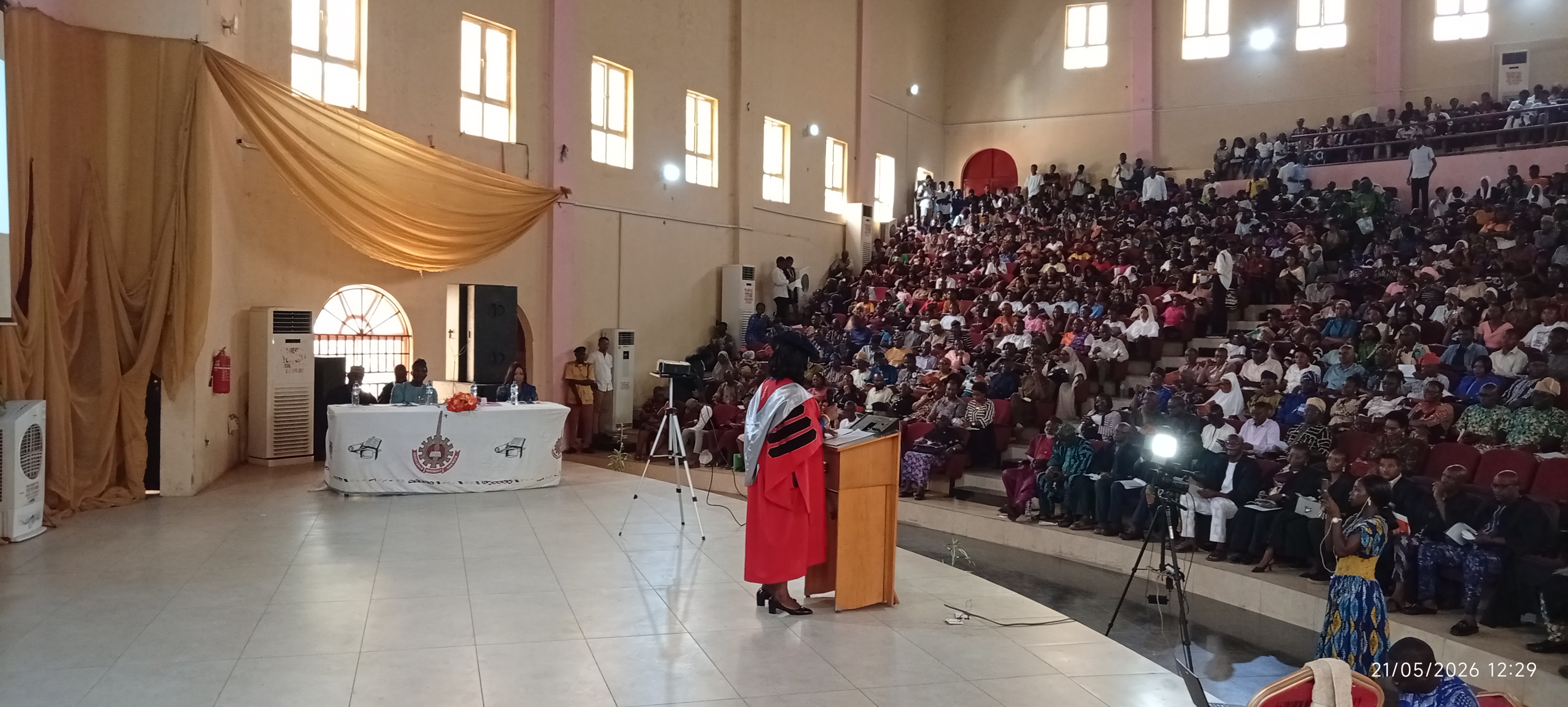
Professor Adefunke S. Ebijuwa urges universities to prioritise deep thinking, critical inquiry, and intellectual authenticity as Artificial Intelligence reshapes higher education globally.
The University Librarian of Ladoke Akintola University of Technology (LAUTECH), Professor Adefunke S. Ebijuwa, has called on universities worldwide to safeguard the human essence of scholarship in the face of rapid advancements in Artificial Intelligence (AI).
Professor Ebijuwa made the call while delivering the 8th Faculty of Arts and Social Sciences Lecture titled “Artificial Intelligence, Intellectual Authenticity and Deep Scholarship: Rethinking Library and Information Science in the Digital Age.”
In her thought-provoking lecture, the Professor acknowledged AI’s transformative benefits — including improved access to information, accelerated research workflows, and enhanced scholarly communication — while warning against its growing potential to weaken genuine learning, critical thinking, and academic integrity.
“We must move beyond celebrating polished academic outputs to scrutinising the human processes behind knowledge production: reasoning, interpretation, reflection, and critical engagement,” she emphasised.
Professor Ebijuwa noted that higher education institutions increasingly face the danger of mistaking “scholarly appearance” for genuine intellectual understanding, especially as AI systems now generate fluent essays, literature reviews, and academic content with remarkable sophistication.
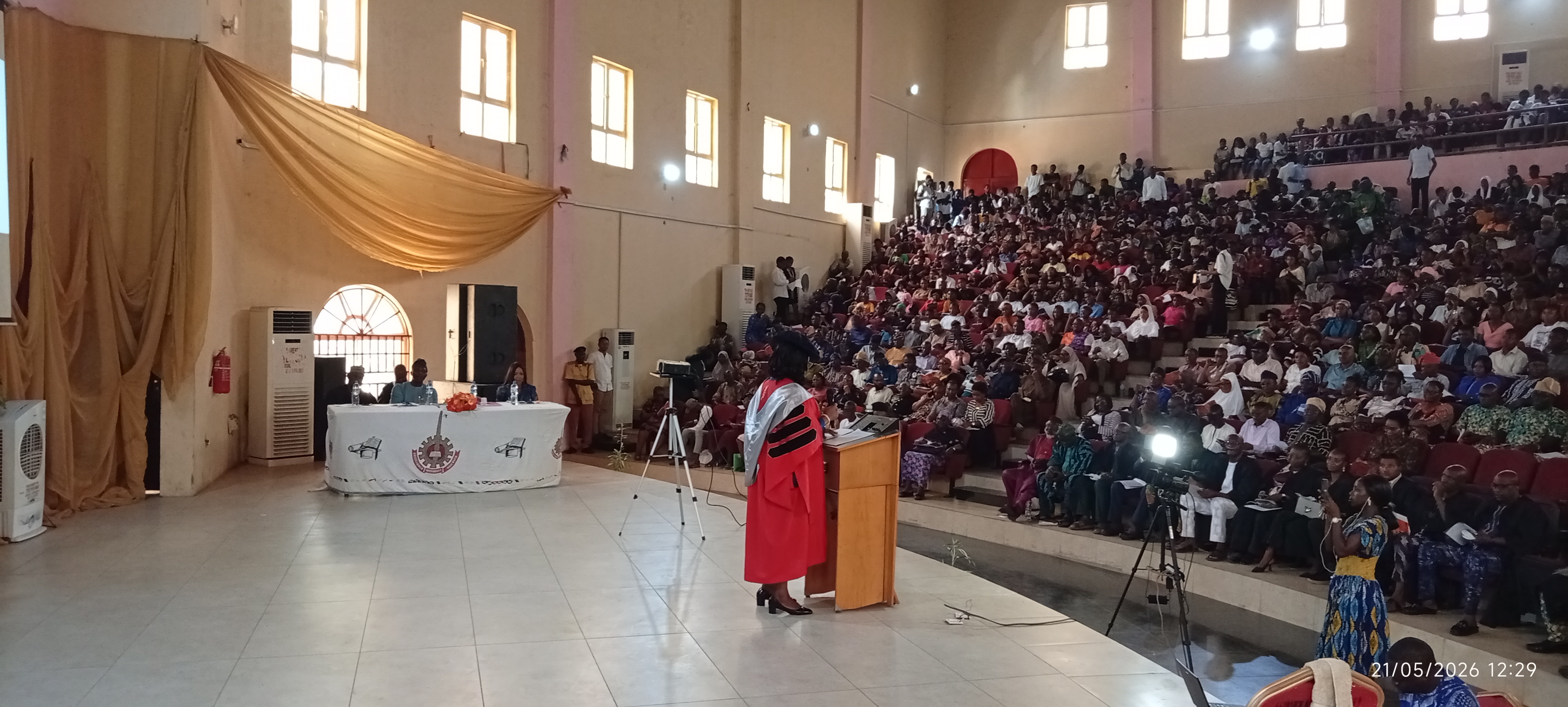
She stressed that deep scholarship requires sustained intellectual patience, reflective engagement, and rigorous analytical thinking — qualities that excessive dependence on automated systems could gradually erode.
Strategic Role of Libraries in the AI Era
The University Librarian further underscored the evolving relevance of Library and Information Science (LIS), describing academic libraries as critical research ecosystems that help scholars navigate increasingly complex, AI-mediated information environments.
Focusing on African higher education, she advocated urgent investment in:
robust institutional repositories,advanced digital preservation systems,digitisation of indigenous knowledge, andethical frameworks for Artificial Intelligence governance and use.
According to her, these measures are essential for ensuring that African scholarship remains visible, globally competitive, and culturally relevant within contemporary digital knowledge systems.
Call for Human-Centred AI Integration
Professor Ebijuwa concluded by urging universities to adopt a deliberately human-centred approach to AI integration.
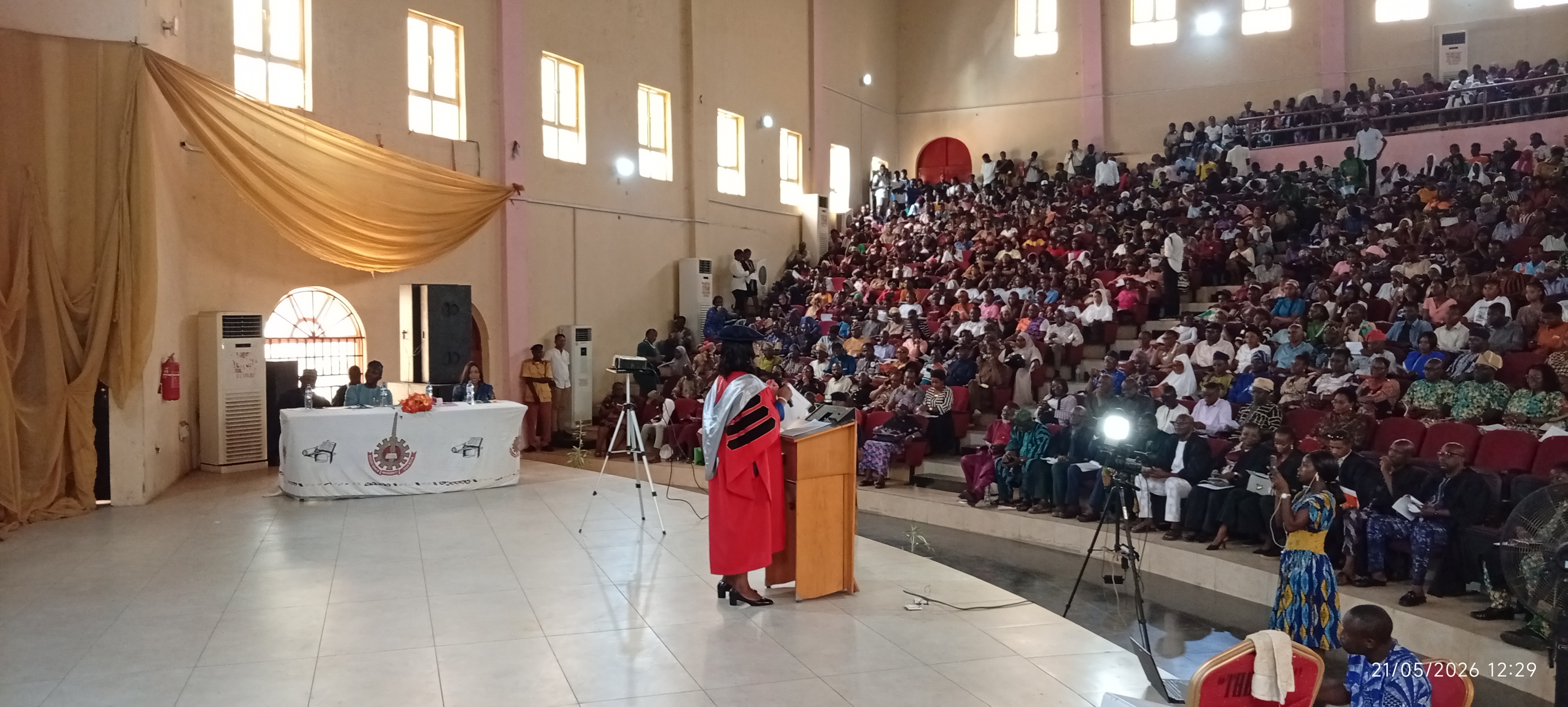
“Technology should serve as a powerful support for human intellectual development — not a replacement for critical inquiry, ethical judgment, and authentic scholarship,” she stated.
She further urged universities across the world to remain vigilant in preserving the intellectual habits that make scholarship genuinely human, despite the rapid evolution of Artificial Intelligence technologies.
Image